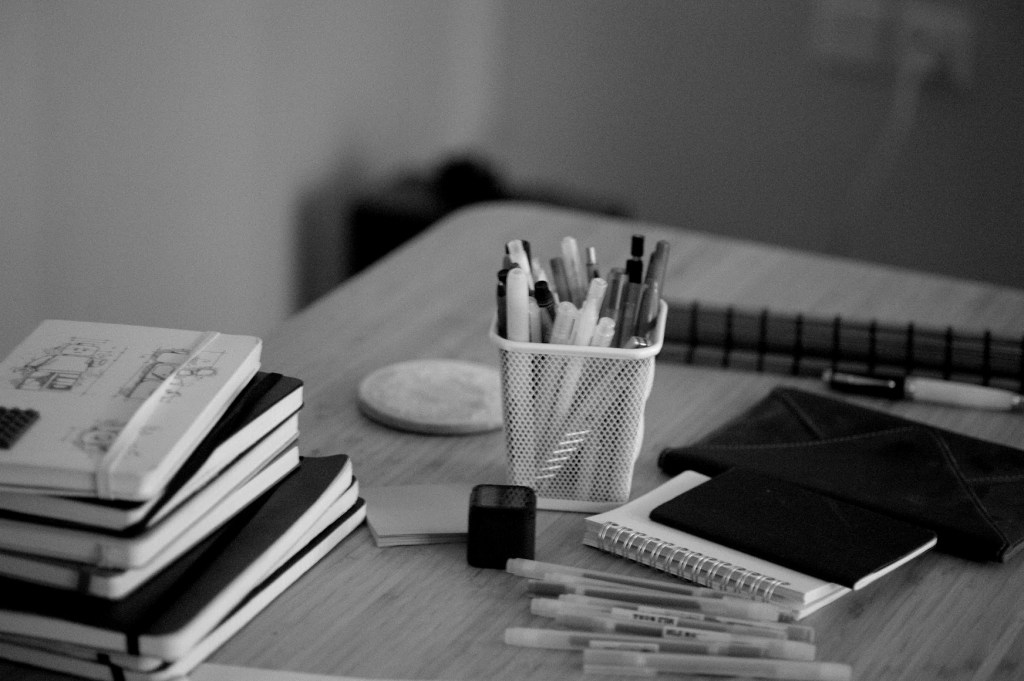
When I was a child my parents bought me all kinds of books. I had a phase where I was reading short stories where the heroes were animals. Kalilah wa Dimnah, Aesop’s fables, among others, were the cornerstone of my humble library. I fell in love with the idea of creating stories from the ether, so naturally I began weaving my own small tales of heroism, adventure, and courage.
I cherished telling stories, made up on the spot, to my siblings and cousins. I would use every medium I had access to at that age — photographs, figurines, even shadow puppets just before bedtime.
When I started the first grade, things progressed. I was not satisfied with the narrow limits of creativity offered to us, and I was easily bored. I would pay attention just long enough to grasp the core of what was taught, then drift into my infinite universe — conjuring scenarios far beyond the four walls that surrounded me. I invented heroes and villains out of the faces around me. I daydreamed about the limitless possibilities of what my tender mind could create.
In the second grade, we traveled to Medina to visit relatives. My mother returned one morning with a pencil, a sharpener, and a small blue notebook. She suggested I start writing the stories in an attempt to capture the universes I kept conjuring in my head. That afternoon I sat on my bed and feverishly wrote story after story. Chickens and foxes, wizards and knights ran amok on the pages of the little blue book.
By the third grade, a new revolution began. My father brought home a PC. Instead of teaching me how to use it, he left me to my own curiosity, to discover what every click and every icon meant. Soon enough, I was typing my stories on the computer. I only used two fingers, but engaged every neuron in my mind. To feel a sense of accomplishment, I typed them in size 24 font to make as many pages as possible, then spent hours playing with colors and titles until they pleased me. The cover page remained light blue — a tribute to my first notebook.
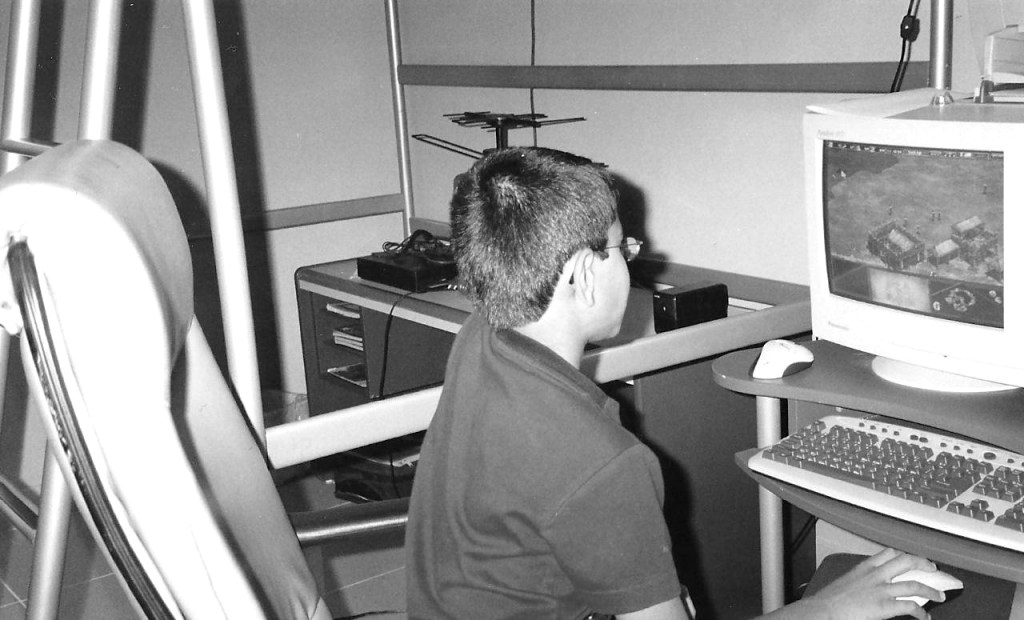
Eager to showcase my creations, I brought some of the printed stories to school. As I read to the other students, or let them read themselves, they delighted in seeing characters fashioned after them. I learned then that the people who surrounded me often became the foundation of my worlds, a core for my imaginary creations.
Though my school years were mostly traumatic, a few gestures of kindness still shine through the haze. One of my third-grade teachers noticed one of the neatly stapled blue books. He approached me and asked for a copy; I was ecstatic. The next day he returned and said he had gone to the printers, had copies made, and that they had sold. Out of his own wallet, he handed me a fresh fifty-Riyal bill. That day I discovered that I could do something I loved and be rewarded for it. I carried home both pride and the first money I ever felt I had earned.
Another teacher, also named Khalid, had a different approach. He bought me a set of Parker pens. In the third grade, an ink pen was a mark of honor; only fourth graders and above could use them. He also wrote me a full-page letter, expressing his exhilaration at what I had accomplished so far, and his belief in the beautiful things I could still create as I honed this gift. I still look back at that letter from time to time.
By the fourth grade, it was time to grow up. Expectations from parents, society, and myself began to weigh heavily. The daydreams still came, but the writing had stopped. A shift had occurred not just in my imaginary worlds, but in the tangible one. I poured my heart into schoolwork, into a future I had not chosen, but that seemed already laid out for me.
By secondary school, the plans had solidified. I competed on the national level in various subjects, I was enrolled in the gifted students program. Yet everything was focused on what was considered “prestigious” at the time. In our quiet, polluted little town on the coast, where constant sunshine and humidity were occasionally broken by acid rain, it was decided that I would go into engineering. The little blue books were buried beneath chemistry and physics books.
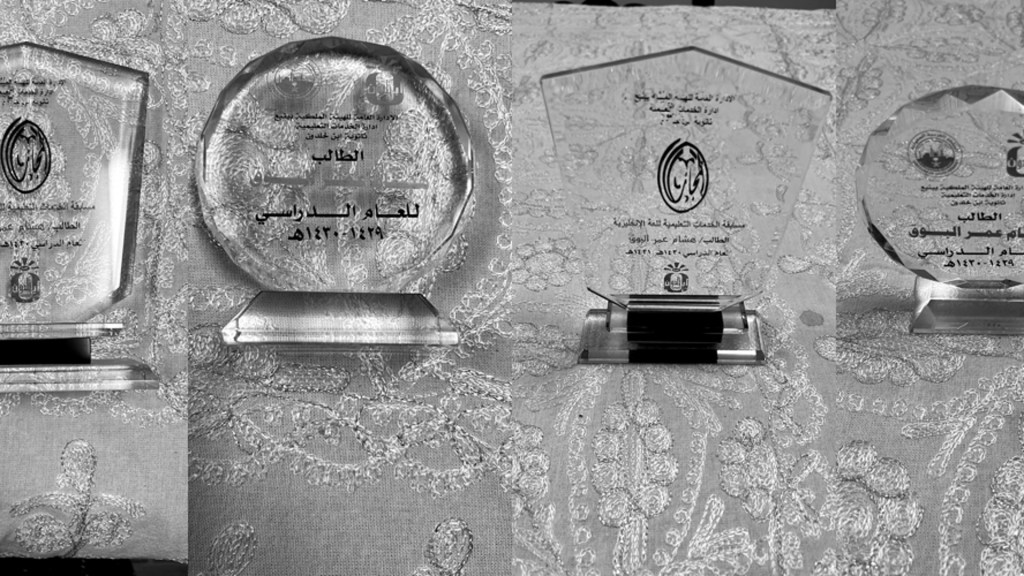
There were two things that compounded the loss of my creative outlet. The first was the heavy shadow of reality. I needed to secure a future, a steady income, a way to make my parents proud. Certificates to hang on a wall. Trophies to shine on a mantle. I thought engineering was the surest path to earn those accolades; after all, I was genuinely capable of handling the natural sciences.
The second, an extension of the first, was the harshness of puberty and early adulthood. This was especially exasperated by the undiagnosed mental health struggles I carried. I was always slightly different, slightly out of place. I made the unconscious decision to suppress these differences and conform to the rules that surrounded me. I was in constant conflict — trying to be myself, and trying to fit in. It led to a loss of identity; I became a stranger in my own home.
I had, without knowing, buried my dreams with my own hands in the jasmine gardens of our backyard, replacing them with what I thought was the “correct” thing to do. For over a decade, I followed the path I was pressured into, but also carved for myself, because I did not have the courage to disrupt what I believed were the natural laws of the universe.
Around 2011, I began journaling — a practice encouraged by my therapist. It felt natural. In 2016, I began writing fragments and paragraphs here and there. By 2021 I started sharing them with friends and colleagues. The flame was kindling again. While the worlds did not return easily after being buried so long, I absorbed from the real world and transfigured it into words. This time the journal was on my phone and laptop, which, by coincidence, wore a bright blue cover.
Since then I have struggled to accept myself as a writer. How could I be? I could never tell if what I wrote was any good, no matter the feedback. This was no longer about animals and children’s bedtime stories. How could I possibly compete, especially after being away for so long? It felt like attempting to walk on a different planet.
In 2023 I began to embrace my past and work diligently to recapture it. I started a blog. I wrote letters. Some were sent, others lived on my hard drive. Yet I never dared call myself a writer or a photographer. I would say I take photos, or I write occasionally, but never take a step beyond that.
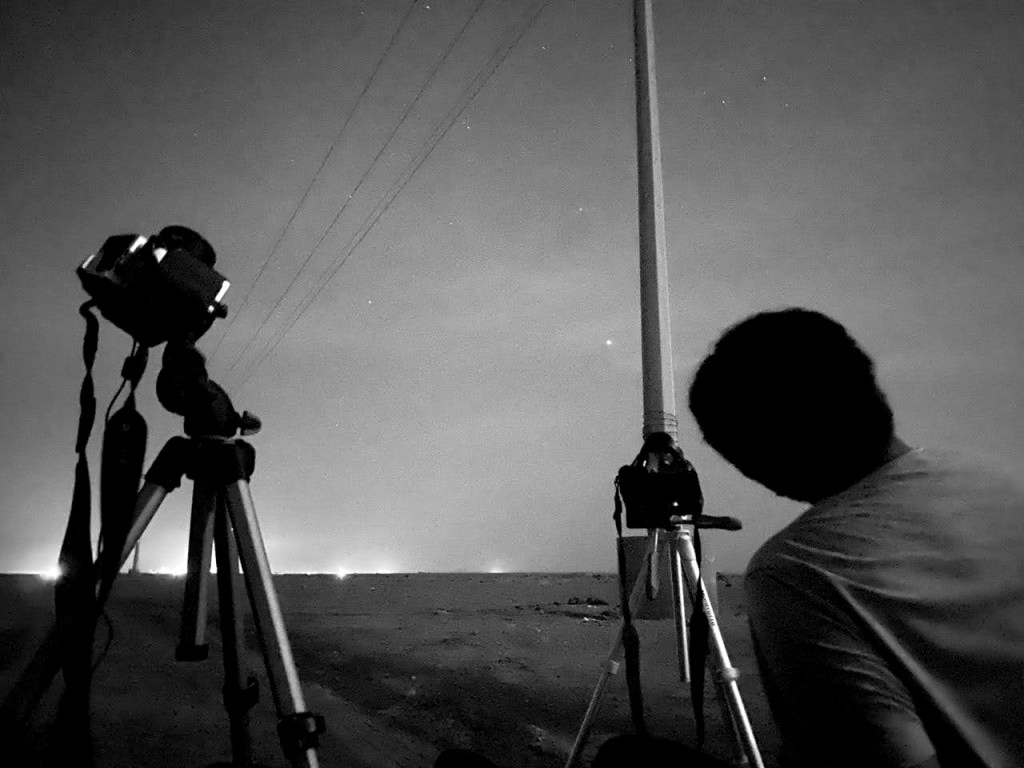
Then in 2024 I met a gentle soul. He shared his life with me, reflecting so many of my own struggles. He began pulling me out of my comfort zone and into creative gatherings. At one event, after shaking hands with attendees, he introduced me as a writer, and a photographer. Something shifted in my soul. In addition, during this trip, I met a group of passionate individuals, that encouraged me. Each exquisite individual, in their own way, brought another piece of firewood that further ignited my passion.
What prompted this long, semi-biographical piece was a Nepalese hotel employee in Tokyo. I had met him yesterday in the lounge and we exchanged a few words. Today, as I entered with my laptop to write one of the twelve letters I promised, he asked if I was here for work. What I answered surprised me; not just because of the content of the answer, but how naturally it came.
“I’m on vacation, but I decided to do a little work.”
“What do you do?”
“I’m a writer.”
 The Art of Leaving